
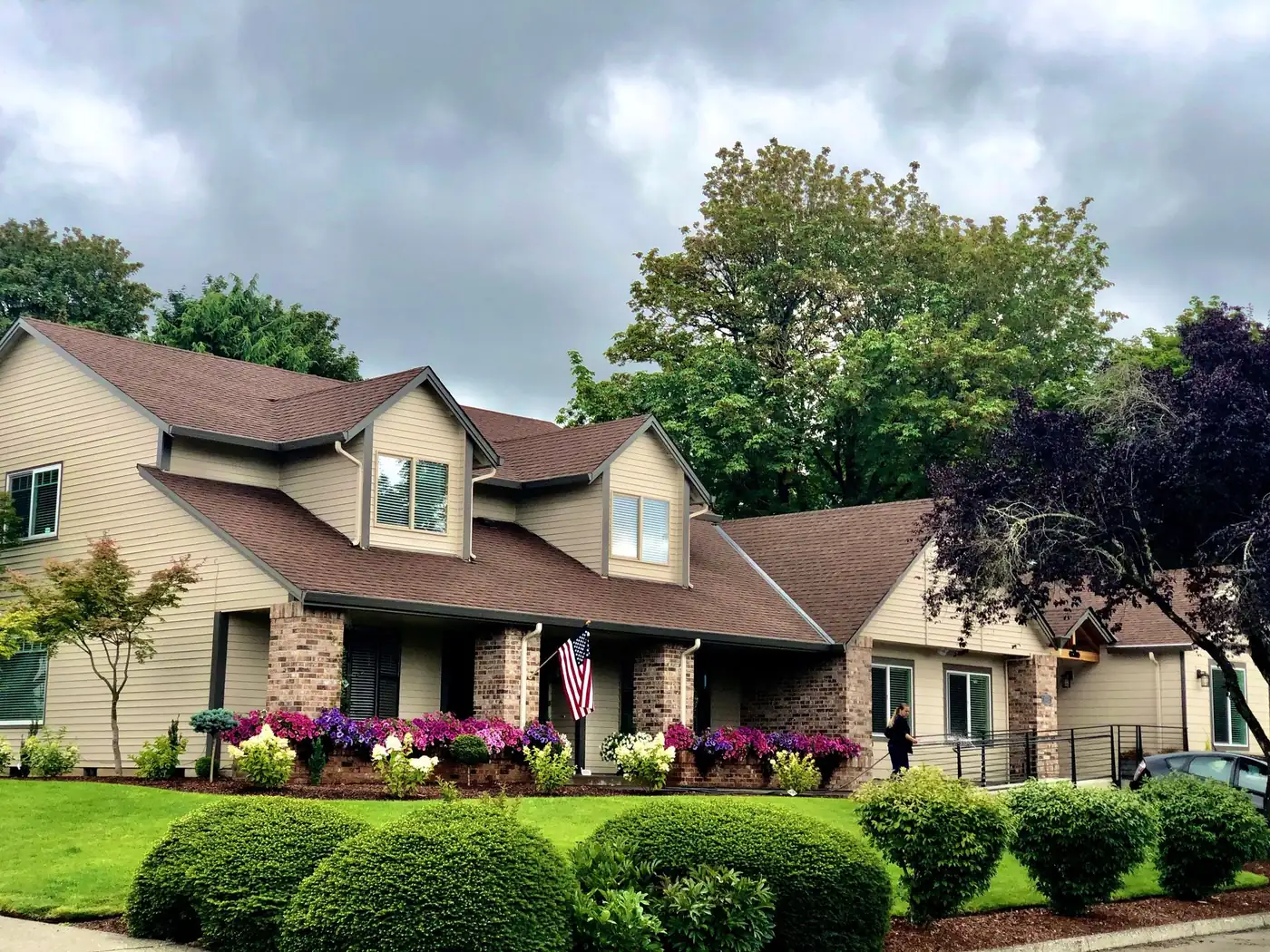
Why a small home can help
People living with dementia often do best with routine, quiet surroundings and familiar faces. A large building with long hallways, many staff members and constant noise can increase confusion and anxiety. In an adult family home with six or fewer residents, the same caregivers are present every day, and the home itself is easier to learn.
What good dementia care looks like
- A predictable daily rhythm for meals, activity and rest.
- Caregivers who know each resident's history, interests and triggers.
- Gentle redirection instead of arguing or correcting.
- Safe doors and walking paths so residents can move without risk of getting lost.
- Regular updates to family when behavior, sleep or appetite changes.
Washington's specialty training
Washington requires additional dementia and mental health training for adult family homes that serve residents with those needs. The DSHS locator lists each home's specialty designations, so you can confirm a home is set up for memory care before you visit.
Questions to ask
- How do caregivers respond when a resident becomes agitated in the evening?
- What activities are offered for people in later stages?
- How do you prevent wandering?
- At what point would my loved one need a different level of care?